Research Overview
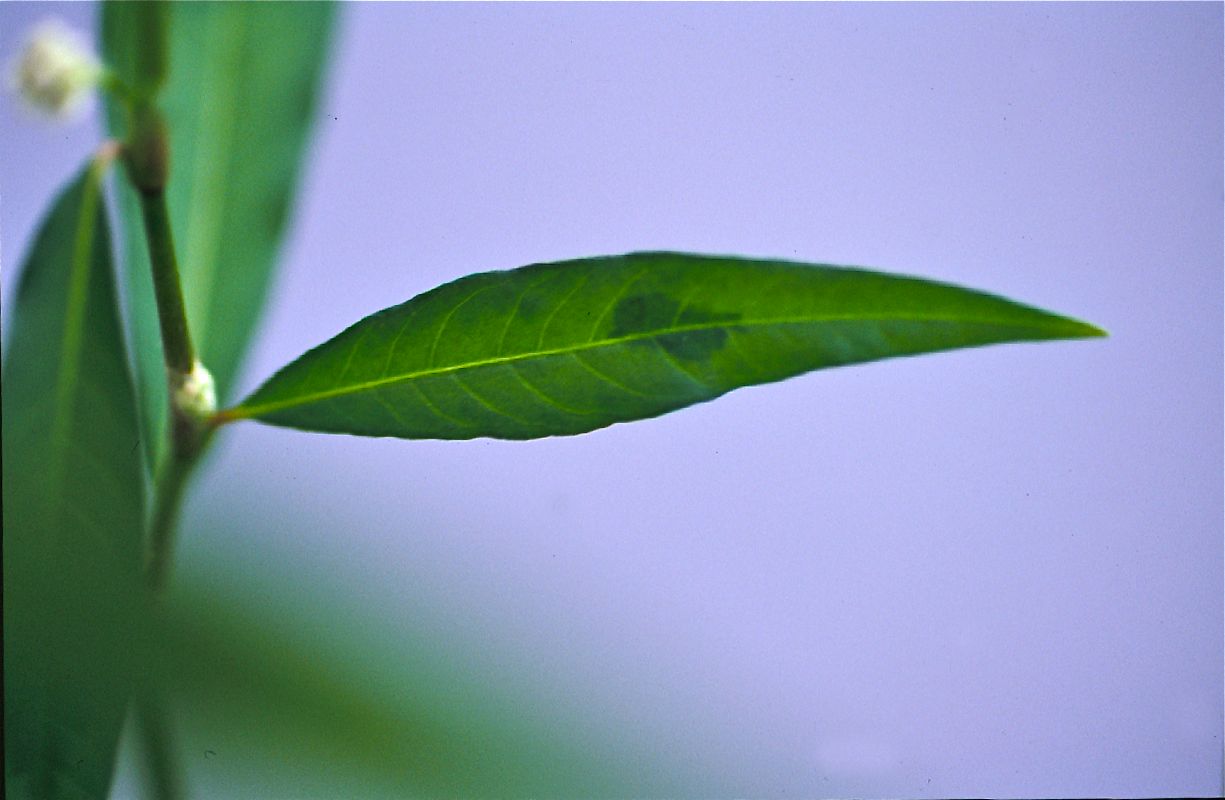 A conventional understanding of the evolutionary process rests on the simplifying assumption that genetic differences rigidly determine the relative success or failure of organisms in their environments. However, the organism’s own capacity to respond to its environment (phenotypic plasticity) lends an important element of flexibility to this process, since both adaptive and maladaptive responses by individual animals and plants will affect the outcome of natural selection. These phenotypic responses to the environment and their evolutionary consequences are the primary focus of our research. ‘Eco-Devo’ response patterns also shape a species’ ecological breadth and its potential invasiveness; these timely issues are a second focus of our investigations. We take an interdisciplinary approach, drawing on ideas and methods from physiological ecology as well as developmental, quantitative, and population genetics. Controlled experiments in the greenhouse and growth chamber are complemented by field studies of natural populations, including population genetic (eg, microsatellite) sampling where appropriate. Study systems include several ecologically distinct species of colonizing annuals (both native and introduced), primarily in the genus Polygonum.